
From Model Selection Traps to Gold Standards for Suppliers
Introduction: Dual Challenges in Harsh Environments
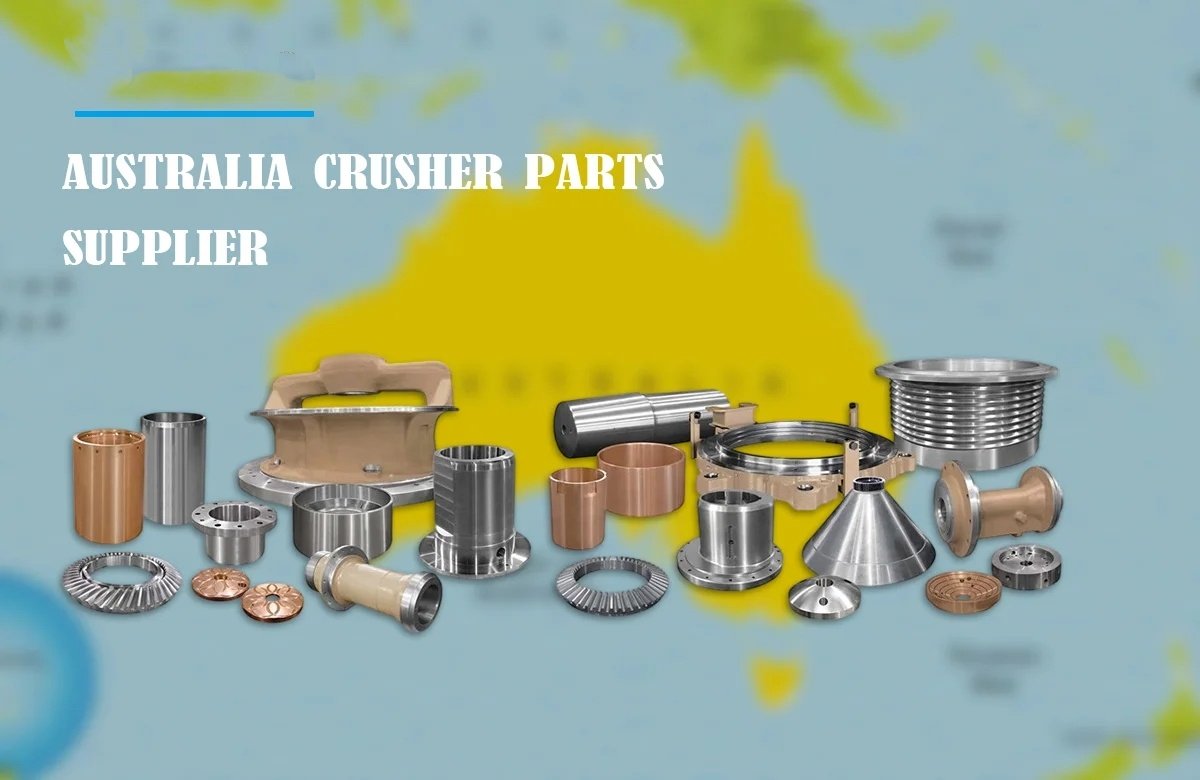
Australia’s crusher parts market is experiencing 8% annual growth driven by rich mineral resources (bauxite, iron ore reserves rank among global leaders) and infrastructure expansion (driven by Brisbane Olympics 2032). However, its unique high-salt-spray coastal climate, inland arid dust environments, and hard rock formations (like Pilbara iron ore with Mohs hardness 7+) place extreme demands on part corrosion resistance and impact strength. This guide provides practical solutions aligned with Australian regulations and working conditions.
Part I: Three Essential Rules for Using Parts in Australian Conditions
1. Anti-Corrosion: Precise Material and Process Matching
- High-salt-spray areas (West Australia coastal mines):
- Prioritize Cr26 high-chromium alloy liners (chromium ≥ 26%) with epoxy resin coating
- Must pass AS 4312 salt spray tests, extending lifespan 2x over standard manganese steel
- Acidic mine environments (Queensland copper mines):
- Use polyurethane seals instead of metal components to resist corrosion from acidic water (pH < 4)
2. Anti-Fracture: Innovative Composite Applications
- Hard rock crushing (granite, iron ore):
- Hammers/jaw plates: Tungsten carbide (TiC) particles embedded in manganese steel matrix increase impact resistance by 40%
- Protective rings: Double-layer design (high-chrome cast iron inner + rubber damping outer) reduces rotor impact fatigue
- High-moisture clay conditions (Newcastle coal mines in rainy season):
- Select jaw plates with self-cleaning grooves to prevent material buildup causing overload fractures
3. Anti-Downtime: Compliance and Maintenance Protocols
| Part Type | Recommended Replacement Cycle in Australia | Key Inspection Points |
|---|---|---|
| Cone crusher liner | 600-800 operating hours | Base thickness < 30% of original value |
| Impact crusher rotor guard ring | 1200 hours | Radial runout > 2mm |
| Conveyor belt idlers | Quarterly | Bearing noise + rotation resistance test |
Part II: Six Gold Standards for Supplier Selection
1. Localized Service Capabilities: Timeliness Determines Productivity
- Ideal configuration:
- Bonded warehouses in Perth/Newcastle guaranteeing 72-hour emergency delivery
- On-site Australian engineering support (e.g., liner replacement guidance)
2. Compliance Certification: Avoiding Legal and Performance Risks
- Essential certifications:
- AS/NZS standards (core) + ISO 9001 (quality management)
- Mining customer endorsements (e.g., Rio Tinto/BHP supplier codes)
3. Technical Adaptability: Data-Driven Selection Support
- Premium supplier services:
- Free Fleet management system integration for real-time wear monitoring
- Material recommendations based on historical conditions (e.g., Sydney basalt crushing cases)
4. Cost Effectiveness: Total Lifecycle Cost Analysis
| Cost Factor | Low-Cost Part ($5000) | Premium Part ($8000) |
|---|---|---|
| Purchase Price | $5000 | $8000 |
| Annual Replacements | 3 times | 1 time |
| Downtime Losses | $15,000* | $0 (scheduled maintenance) |
| Total Annual Cost | $65,000 | $8,000 |
*Based on $5000/hour average downtime cost in Australian mines
5. Supply Chain Resilience: Managing Geopolitical Risks
- Premium suppliers use Turkish transit hubs to Australia, reducing shipping time by 15 days vs direct routes
Part III: Future Trends – Intelligence and Green Compliance
- IoT Predictive Maintenance: By 2025, 50% of major Australian mines will use sensor-embedded liners that automatically trigger orders when wear exceeds limits
- Carbon Tariff Barriers: Low-carbon manganese steel (<1.2 tons CO₂ per ton cast) will become mandatory for Australian exports
Conclusion: Selection Equals Productivity
In the Australian market, “functional” isn’t enough – “indestructible” is essential. Only parts precisely matched to working conditions and suppliers with localized response capabilities can harness this mineral-rich land’s opportunities. We recommend:
- Develop a climate-mineral database for customized part selection
- Prioritize suppliers with Australian warehouses and AS/NZS certification to avoid legal risks